




Breaking the Silence: Men’s Mental Health and Emotional Well-being at Osraty For Physio and Rehab
- By Osraty

Untangling the Knot: Recognizing and Expressing Emotions
- Upbringing: Boys are often discouraged from expressing emotions other than anger and frustration. Phases like "boys don't cry" or "be a man" create an environment where vulnerability is seen as weakness.
- Societal Expectations: The media and societal norms often portray men as emotionless stoics who handle everything with a stiff upper lip. This limited portrayal of masculinity can make it difficult for men to feel comfortable expressing themselves authentically.
- Lack of Tools: Many men haven't been taught how to recognize and express their emotions in a healthy way.
- Increased stress: Ignoring your emotions can lead to feelings of anxiety and overwhelmed.
- Physical health problems: Stress caused by suppressed emotions can manifest as headaches, muscle tension, and even digestive issues.
- Strained relationships: It's difficult to build strong, intimate relationships if you cannot openly communicate your feelings and needs.
The Power of Vulnerability: Building Deeper Connections
Sharing your feelings with a trusted friend, family member, or therapist can create a sense of intimacy and understanding. It allows others to offer support and creates a space for genuine connection.
Challenging the Status Quo: Redefining Masculinity
- Challenge your assumptions: Question the messages you received about masculinity during your upbringing.
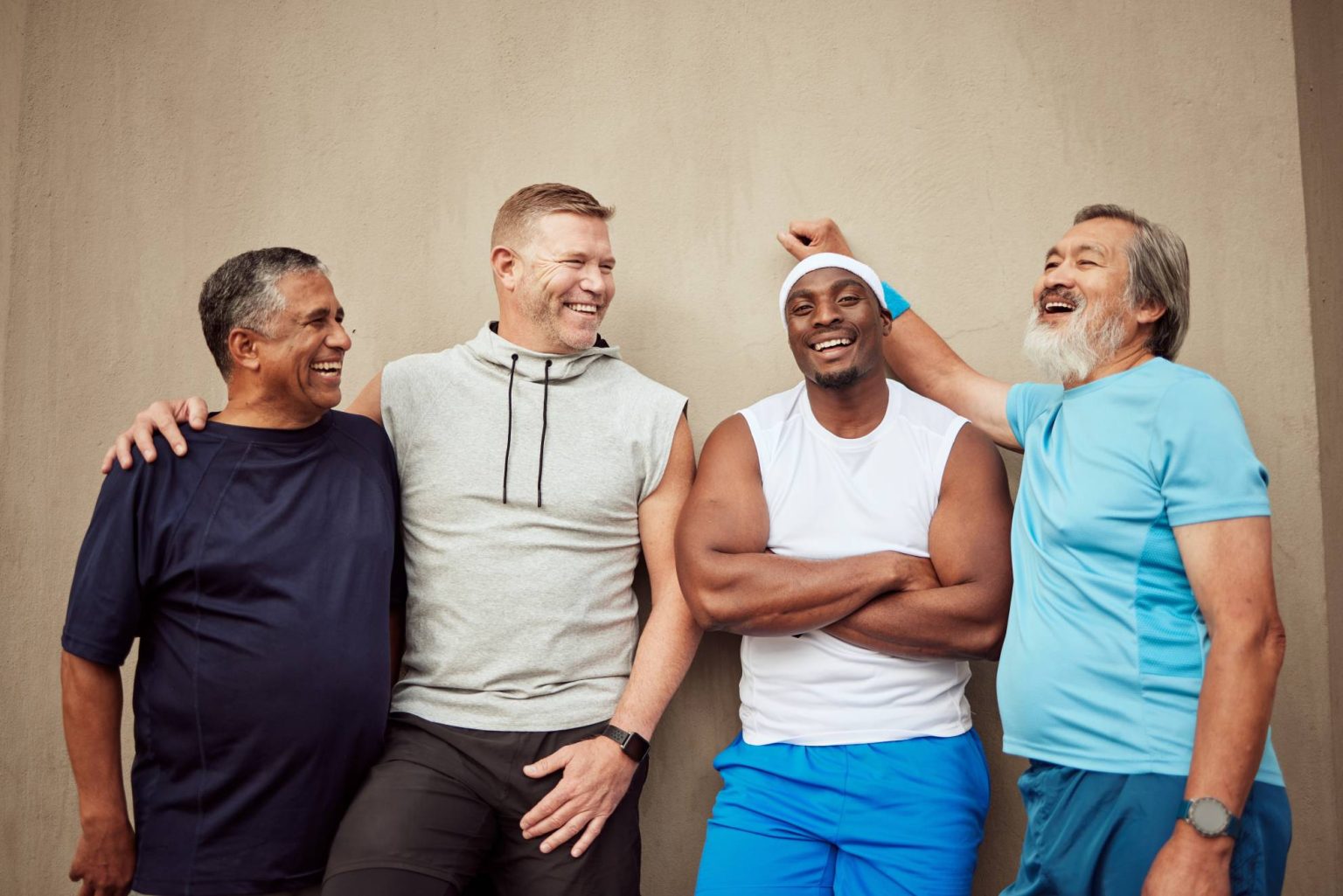
- Expand your social circle: Surround yourself with men who are comfortable expressing themselves openly.
- Seek out male role models: Look for men who embody a healthy sense of masculinity, whether in your personal life or the public eye.
Practical Steps: Building Your Emotional Toolkit
- Mindfulness: Mindfulness practices like meditation and journaling can help you become more aware of your emotions and how they impact your thoughts and behaviors.
- Learn a new language: Develop a vocabulary to describe your emotions. There are many words beyond "happy" and "sad" that can help you express yourself more accurately.
- Practice active listening: Listen to others when they express their emotions. This not only shows respect but can also help you learn to communicate your own feelings more effectively.
- Seek professional help: Be bold and seek support from a therapist or counselor. They can provide tools and strategies to help you manage difficult emotions and improve your overall mental well-being.
The Mind-Body Connection: Physiotherapy and Mental Health
Chronic pain, stress, and anxiety can all manifest in physical ways, such as muscle tension, headaches, and sleep disturbances.
The Role of Physical Activity in Mental Health
- Endorphin Release: Exercise triggers the release of endorphins, natural mood elevators that can help alleviate feelings of depression and anxiety.
- Stress Reduction: Physical activity can help reduce stress hormones like cortisol, promoting relaxation and better sleep.
- Improved Cognitive Function: Regular exercise can enhance memory, concentration, and overall brain health.
At Osraty Physio & Rehab, our experienced physiotherapists can help you develop a personalized exercise plan tailored to your needs and fitness level. From seasoned athletes to newcomers, we’re here to help you achieve a healthier, happier lifestyle.
Breaking the Stigma: Seeking Help
Osraty For Physio and Rehab is committed to promoting holistic well-being. Our team can work with you to address your physical and mental health needs. We provide a variety of services, such as:
- Physiotherapy: To manage pain, improve mobility, and enhance physical function.
- Rehabilitation: To recover from injuries and regain strength.
- Sports Therapy: To optimize athletic performance and prevent injuries.